Botanical Ingredients for Natural Wellness

Educational exploration of plant-derived components traditionally used for supporting general health and well-being.

Introduction to Botanical Ingredients

Botanical ingredients represent plant-derived compounds that have been valued across cultures for their properties in supporting wellness. These natural components offer a framework for understanding how plants contribute to daily health maintenance.

This exploration moves beyond marketing claims to focus on traditional uses, documented properties, and how botanical ingredients integrate into comprehensive wellness practices. Understanding botanical ingredients empowers informed decision-making about natural health approaches.

Categories of Botanical Ingredients

Adaptogens

Plant compounds traditionally used to support the body's response to stress and promote balance. Used for centuries in Ayurvedic and Chinese wellness traditions.

Antioxidant-Rich Plants

Botanical sources containing compounds that support cellular health through various mechanisms. Examples include green tea, berries, and herbs.

Digestive Support Herbs

Plants traditionally used to support healthy digestion and gut function. Integrated into many culinary and wellness traditions worldwide.

Anti-inflammatory Botanicals

Plant compounds with properties that may support natural inflammatory balance. Commonly used in traditional medicine systems.

Energy and Vitality Herbs

Botanicals traditionally used to support sustained energy and mental clarity through natural mechanisms.
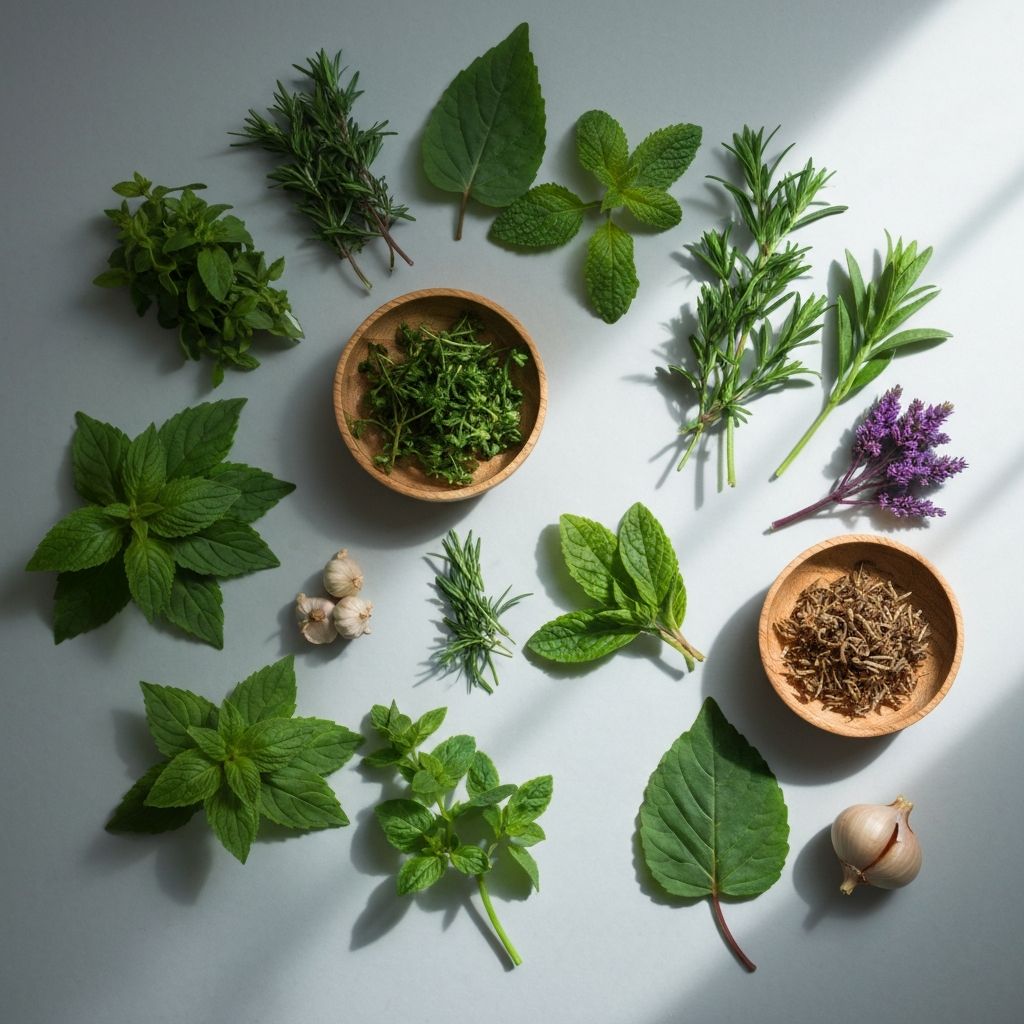
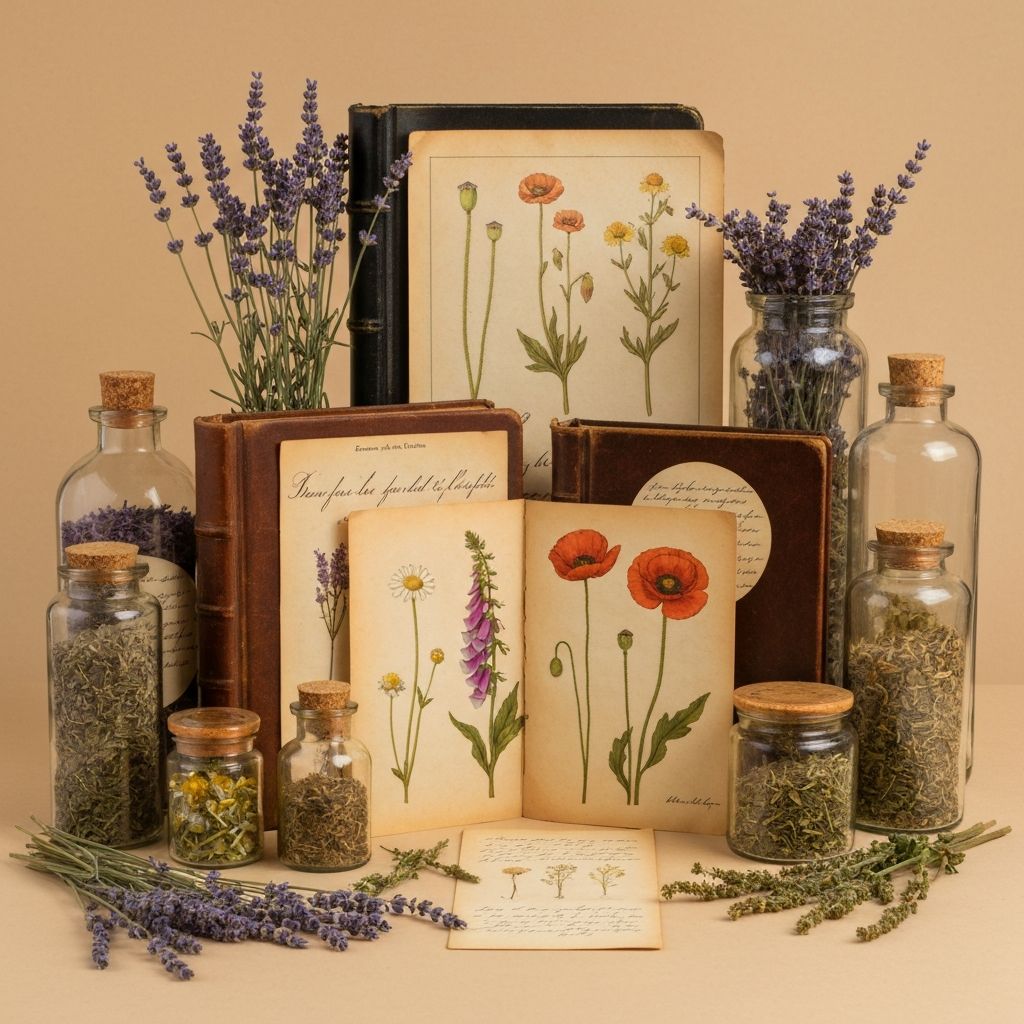
Botanical ingredients

Common Botanical Ingredients Explained

Green Tea Extract

Contains polyphenols and catechins that support cellular health. Used for centuries in Asian wellness traditions and increasingly incorporated into Western health practices.

Ginger

A versatile root used across cultures for digestive support and its natural warming properties. Integrated into both culinary and wellness applications for general health maintenance.

Turmeric

Contains curcumin, valued in traditional medicine for supporting natural wellness. Used in Ayurvedic and Southeast Asian health practices for general health support.

Rhodiola

An adaptogenic herb traditionally used in Scandinavian and Russian wellness practices to support stress response and energy levels.

Ashwagandha

A cornerstone adaptogen in Ayurvedic medicine, traditionally used to support stress resilience and overall vitality as part of daily wellness practices.

Saw Palmetto

A botanical traditionally used in men's wellness practices. Integrated into health routines for supporting prostate health and overall well-being.

Quality and Source Matter

The efficacy of botanical ingredients depends significantly on sourcing, harvesting, processing, and storage practices. High-quality botanical ingredients maintain their properties through careful handling and appropriate preparation methods.

Understanding botanical product quality involves examining certifications, sourcing transparency, processing methods, and storage conditions. These factors directly influence the properties and effectiveness of plant-based ingredients in supporting wellness goals.

Quality botanical materials

Integration into Daily Practice

Method Botanical Examples Frequency
Herbal Infusions Green tea, chamomile, ginger, turmeric Daily, as desired
Dietary Integration Spices (turmeric, ginger), herbs in cooking Regular culinary use
Supplementation Standardized extracts, capsules As per consistent routine
Skincare Application Plant-based moisturizers, cleansers Daily routine
Tinctures and Extracts Concentrated botanical preparations According to preference

Traditional vs. Modern Understanding

Traditional knowledge systems offer centuries of documented experience with botanical ingredients. Modern research examines these traditional uses through contemporary scientific frameworks.

This integration creates a comprehensive understanding: respecting traditional wisdom while examining mechanisms through scientific investigation. Both approaches contribute to informed decisions about incorporating botanical ingredients into wellness practices.

Science of botanicals

Disclaimer: All materials on this site are for informational purposes only. This content does not constitute medical advice, diagnosis, or treatment recommendations. Consult qualified professionals for personalized health decisions. This educational resource explains general wellness concepts without promising specific outcomes or replacing professional medical guidance.